
𝑨𝒊𝒎:
👕 Keeps kids actively engaged by involving them in discussions, games, and hands-on activities instead of passive listening.
🌍 Simplifies complex ideas like overconsumption and environmental impact in a fun, age-appropriate way.
🧠 Builds critical thinking by encouraging kids to ask questions and reflect on their own clothing choices.
❤️ Fosters empathy and values by helping children understand the real people and resources behind their clothes.
🌱 Encourages lasting habits by connecting learning to practical actions like reusing, sharing, and caring for clothing.
𝑸𝒖𝒊𝒛 𝑨𝒊𝒎:
- ❓ Makes learning fun and interactive by turning sustainability topics into engaging challenges kids enjoy.
- 🧠 Reinforces key concepts like reducing waste, reusing clothes, and choosing quality over quantity.
- 🎯 Checks understanding in a friendly way, helping kids remember what they’ve learned without pressure.
- 🌍 Links choices to impact by showing how everyday clothing decisions affect people and the planet.
- 🌱 Builds confidence and motivation as kids see they can make more sustainable choices through small actions.
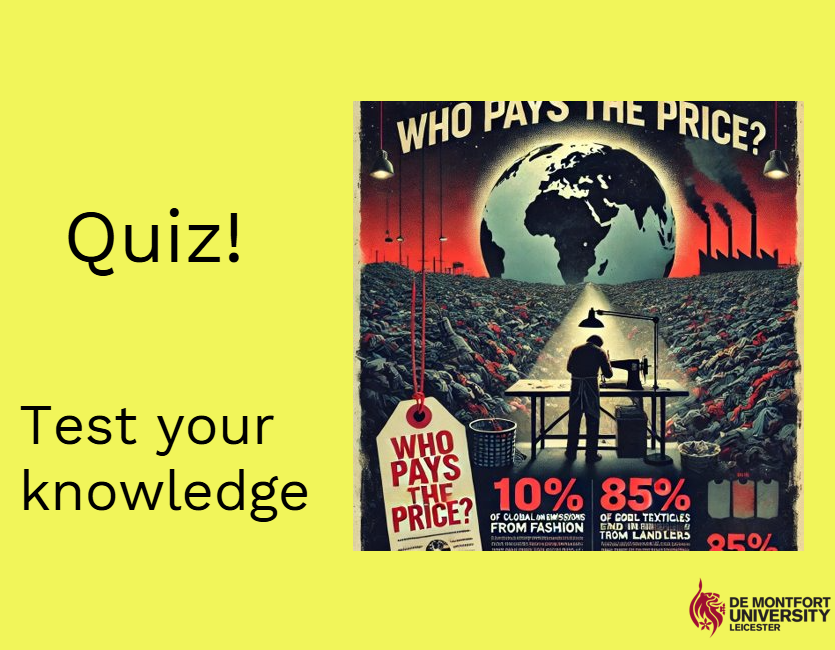
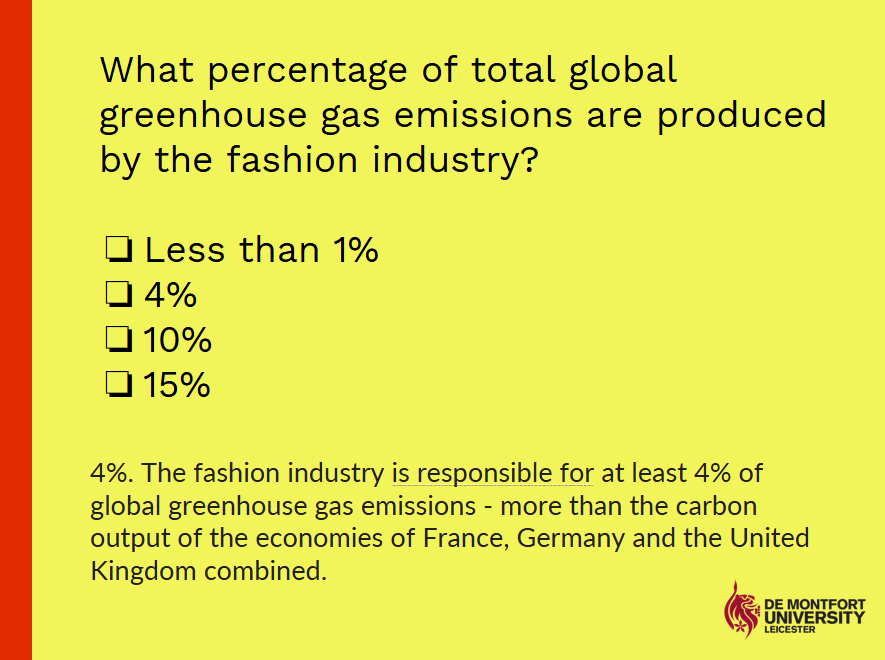
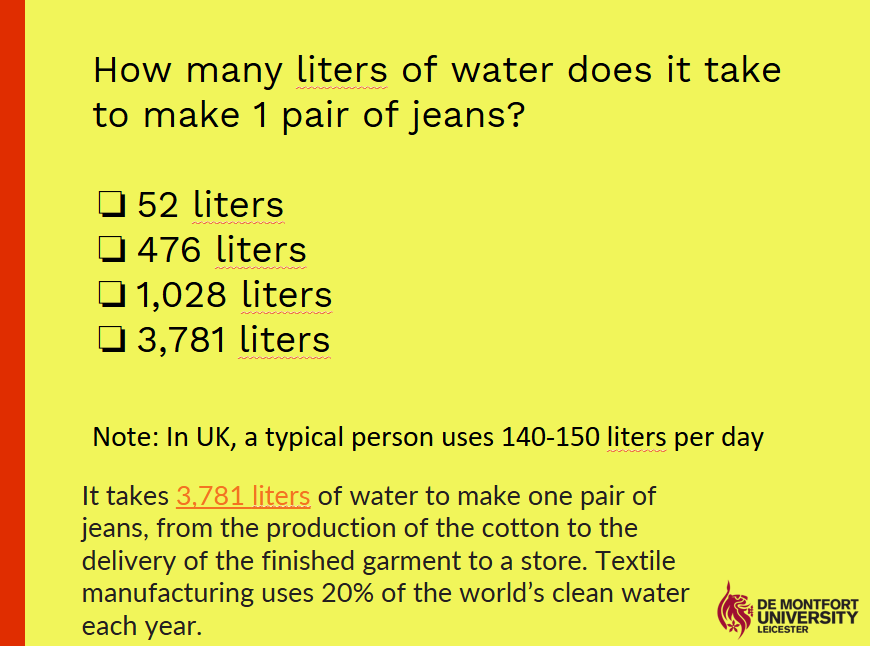
𝑼𝒔𝒊𝒏𝒈 𝑫𝒂𝒕𝒂:
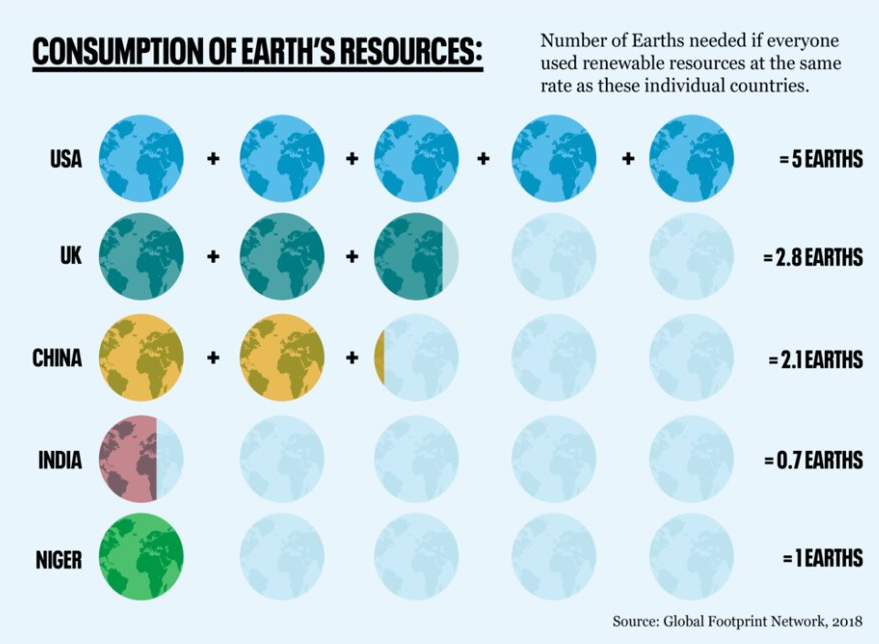
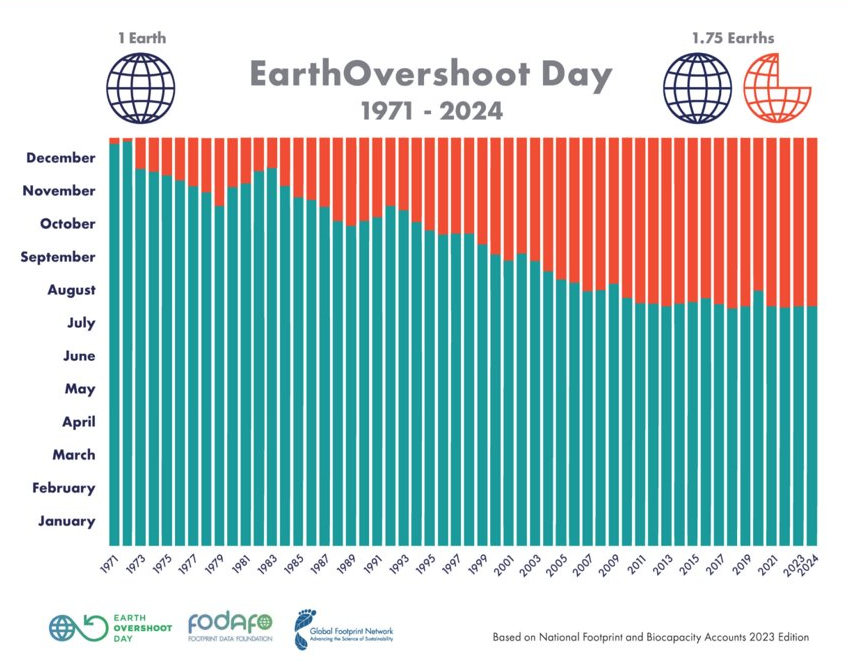
- 📊 Makes the impact visible by showing clear, kid-friendly numbers about water use, waste, and clothing production.
- 👀 Creates “wow” moments that help kids realize how big the effects of clothing consumption can be.
- 🧠 Supports fact-based learning by grounding sustainability in real information, not just opinions.
- 🔍 Encourages curiosity and questions as kids compare data and think about why the numbers matter.
- 🌱 Motivates responsible choices by helping children see how small actions (reusing or buying less) can make a real difference.